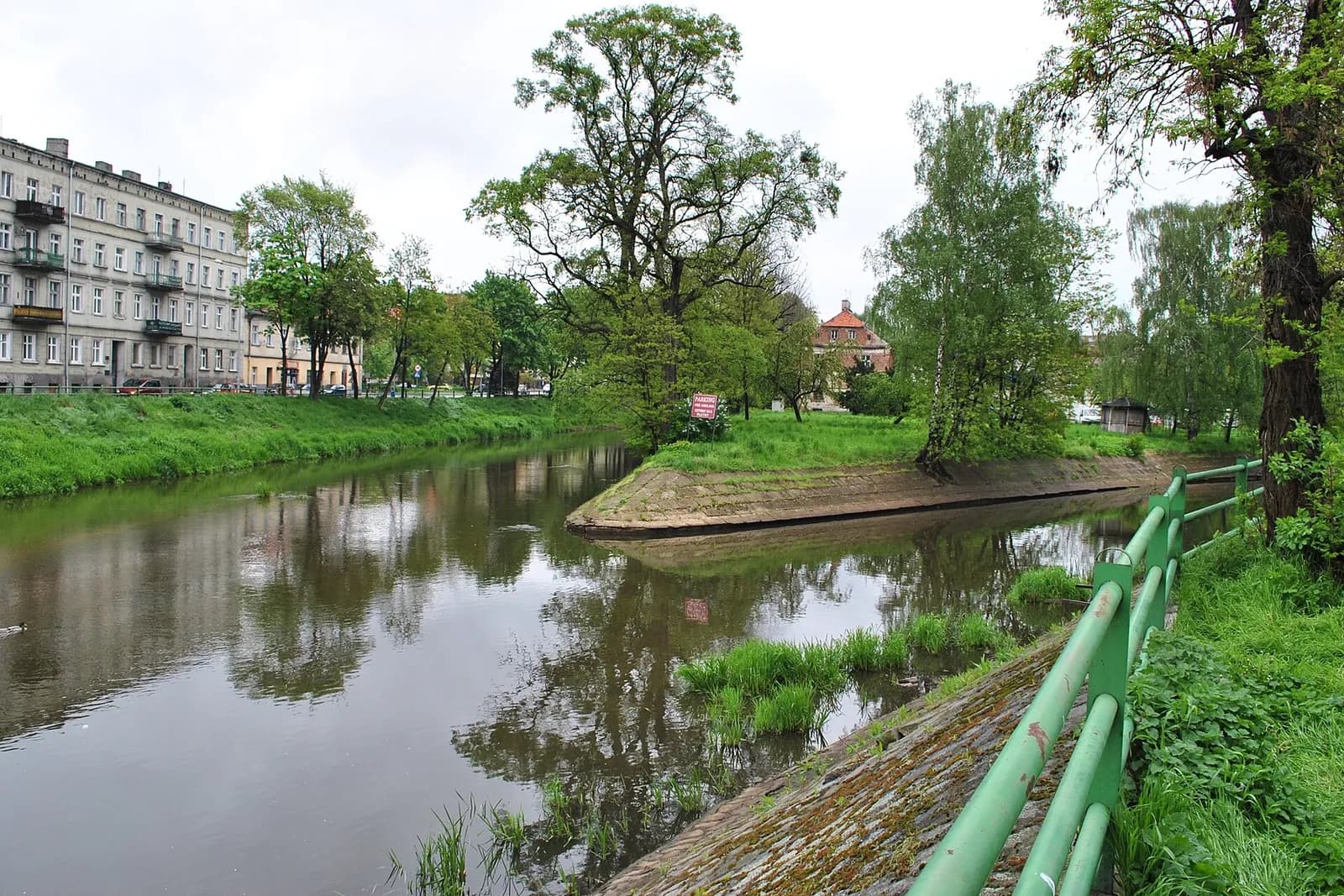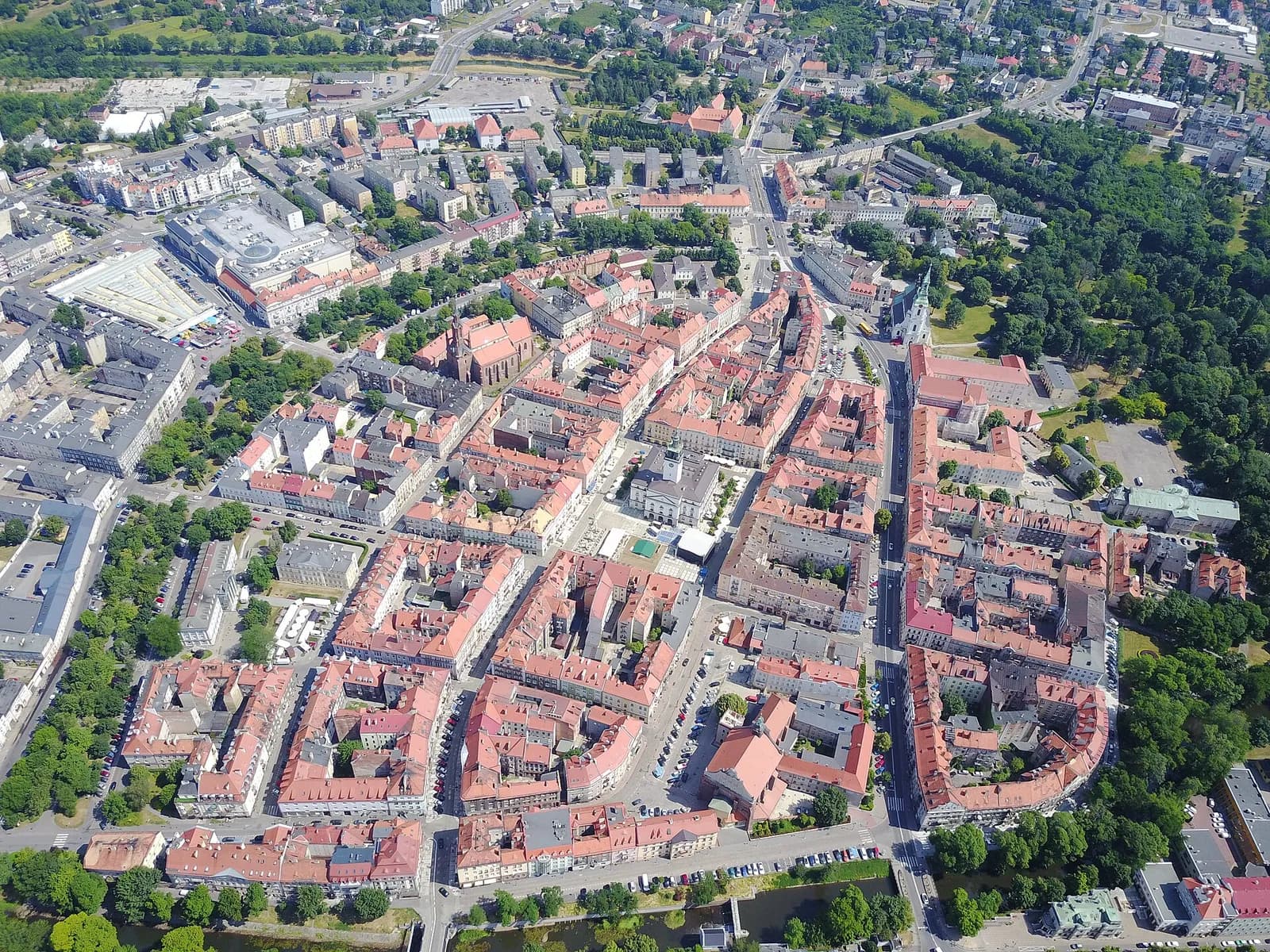
Walk along the banks of the Prosna River on a peaceful morning and it is easy to see why people chose to settle here centuries ago. Today, Kalisz is known for its elegant parks, attractive riverside walks and historic city centre, where cafés spill onto Główny Rynek and visitors explore churches, museums and colourful townhouses.
Yet the landscape that gave birth to the city looked very different.
Long before stone bridges crossed the Prosna and before the streets of the Old Town took shape, this was a place of marshes, wetlands and seasonal floodplains. Those natural surroundings may have inspired a name that has survived for over a thousand years.
As one of Poland's oldest cities, Kalisz is proud of its remarkable heritage. Its history stretches back through medieval Poland and, according to long-held tradition, possibly as far as the Roman era. But where did the name Kalisz come from? The answer lies in a fascinating combination of language, geography and ancient trade routes.
A Name Born from Water and Wetlands
The most widely accepted explanation is surprisingly straightforward.
Most linguists believe the name Kalisz comes from the Old Slavic root kał or kal, meaning mud, marsh or swamp. Combined with the ancient place-name suffix -isz, the name is thought to have meant something like "the muddy place", "the settlement by the marsh", or "the place on wet ground."
Rather than being poetic, it was simply descriptive.
The first inhabitants settled beside the Prosna River, where extensive wetlands provided water, fertile land and natural protection. Seasonal flooding shaped everyday life, and anyone travelling through the area would have encountered muddy paths and marshy ground for much of the year.
Many of Poland's oldest settlements were named after their natural surroundings, making Kalisz part of a much larger tradition of Slavic place names that reflected the landscape.
Today, visitors strolling through Planty Park or along the riverside boulevards may find it difficult to imagine just how wet the surrounding countryside once was. Modern flood management has transformed the area, but the city's name continues to preserve a memory of its earliest environment.
A City with Ancient Connections
One reason the history of Kalisz attracts so much attention is its possible connection to the ancient world.
Around AD 150, the Greek geographer Claudius Ptolemy compiled his famous Geographia, recording settlements throughout Europe and beyond.
Among them was a place called Kalisia, located on the legendary Amber Road, the trading route linking the Baltic Sea with the Roman Empire.
For generations, historians have identified this settlement with modern-day Kalisz, making it one of the earliest recorded place names in what is now Poland.
The connection has become an important part of the city's identity and continues to feature in local museums, educational programmes and anniversary celebrations.
Modern historians, however, are slightly more cautious.
Ptolemy's geographical coordinates are known to contain inaccuracies, leading some researchers to question whether Kalisia stood precisely where modern Kalisz does today. Others continue to support the traditional interpretation, arguing that the available archaeological and historical evidence still makes Kalisz the most convincing candidate.
Although the debate continues, there is broad agreement that Kalisz is among Poland's oldest continuously inhabited urban centres.
The Amber Road and the Growth of Kalisz
Whether or not Ptolemy's Kalisia corresponds exactly with present-day Kalisz, the city undoubtedly occupied an important position in ancient Europe.
The Amber Road served as one of the continent's earliest international trade routes, carrying precious Baltic amber south to the Roman Empire while transporting luxury goods, coins and ideas northwards.
Archaeologists working in and around Kalisz have uncovered Roman coins, imported ceramics and other artefacts that demonstrate extensive contact with distant parts of Europe during antiquity.
These discoveries help explain why Kalisz occupies such an important place in Polish history and why it continues to celebrate its ancient heritage today.
Could the Name Kalisz Have Celtic Origins?
Not every historian agrees that the city's name is purely Slavic.
Some researchers have suggested that Kalisz may have much older roots dating back to Celtic communities that lived in parts of southern Poland before the Roman period.
According to this theory, the name may derive from an ancient Celtic word associated with rivers or flowing water.
While the idea remains interesting, it has gained relatively little support among historical linguists.
The Slavic explanation continues to be regarded as the strongest because it matches both the local geography and the development of early Slavic place names across Central Europe.
Other suggestions have included links to personal names or even the Greek word kallistos, meaning "most beautiful". Today, these ideas are generally viewed as speculative rather than evidence-based.
Similar Place Names Can Be Found Across Poland
The name Kalisz is not unique.
Across Poland, settlements including Kaliska, Kaliszcze and Kaliszany share the same linguistic root.
These place names all appear to describe wet or marshy landscapes, reinforcing the idea that the original meaning referred to the environment rather than an individual or historical event.
For linguists, this wider pattern provides some of the strongest evidence supporting the accepted origin of the name.
Why the Origin of Kalisz Still Matters Today
It might seem like a small detail, but place names tell stories that survive long after landscapes have changed.
The name Kalisz preserves a snapshot of the city's earliest environment, reminding us that today's streets, squares and parks were once surrounded by rivers, reeds and wetlands.
For residents, understanding the origin of the city's name also offers a deeper appreciation of Kalisz's heritage.
It connects modern neighbourhoods with the earliest settlers, explains why trade flourished here and highlights the city's long relationship with the Prosna River.
For visitors, it adds another layer to exploring one of Poland's most historic destinations.
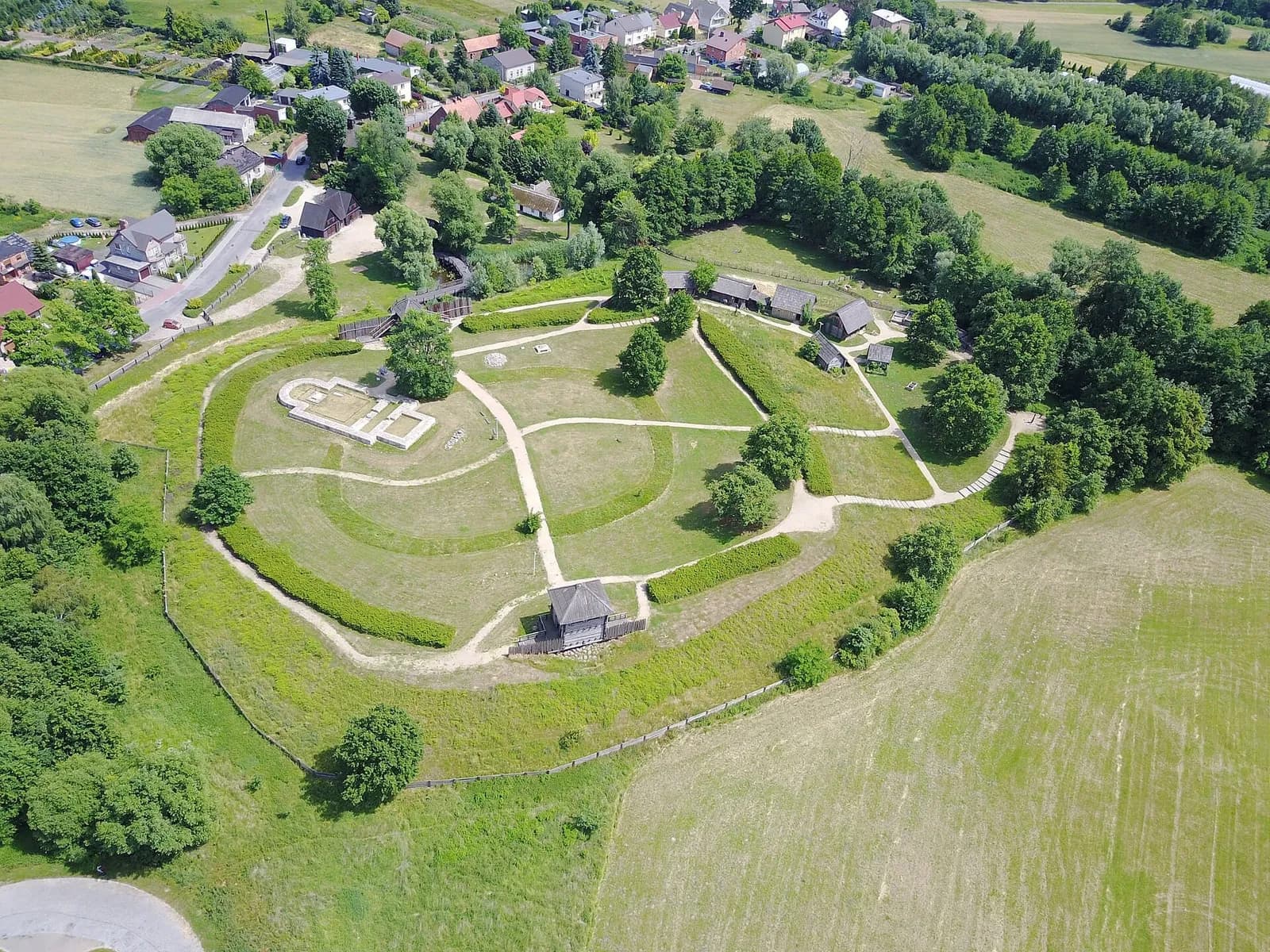
Whether discovering the Archaeological Reserve at Zawodzie, walking through the Old Town or relaxing beside the river, the city's landscape continues to reflect a history that stretches back many centuries.
A Name That Has Stood the Test of Time
The city's name almost certainly reflects the marshes and wetlands that once surrounded the original settlement on the banks of the Prosna River. What began as a practical description of the landscape has survived through medieval kingdoms, changing borders and centuries of European history.
Today, Kalisz is a vibrant regional centre with a rich cultural life, beautiful architecture and an impressive historical legacy. Yet hidden within its name is a reminder of the natural environment that first attracted settlers thousands of years ago.
For anyone exploring the city, understanding the origin of its name offers a fresh perspective. Every walk through the Old Town, every crossing of the Prosna and every visit to its historic landmarks becomes part of a much longer story, one that began in the marshes and continues to shape Kalisz today.
image credit: Fallaner, CC BY-SA 4.0 / Marek Mróz, CC BY 4.0