There are places that tell history, and there are places where history still feels alive.
Tucked away beside the gentle waters of the Prosna River, just a few minutes from Kalisz's city centre, the Rezerwat Archeologiczny w Kaliszu-Zawodziu offers visitors something remarkably rare. Instead of viewing centuries-old artefacts behind glass, you can cross a timber bridge, pass through a wooden gate and walk the same ground where one of Poland's earliest Piast strongholds once stood.
For many people visiting Kalisz, the reserve is an unexpected discovery. The city is often celebrated as one of Poland's oldest, yet surprisingly few visitors realise that its medieval origins can still be experienced in such an immersive way.
While Poznań's Ostrów Tumski and Gniezno Cathedral are firmly established on Poland's heritage trail, Kalisz quietly preserves another chapter of the nation's history. Whether it truly deserves the title of the "forgotten cradle of Poland" remains open to debate, but there is no question that Kalisz-Zawodzie occupies a special place in the history of the early Polish state.
Where The Story Of Kalisz Began
More than 1,100 years ago, this landscape looked completely different.
The Prosna divided into several channels, creating a naturally defended island surrounded by marshland. It was here, during the second half of the ninth century, that an early fortified settlement was established. Protected by water and timber ramparts, the stronghold quickly became an important administrative and military centre within the growing Piast realm.
Centuries later, under Duke Mieszko III the Old, Zawodzie reached its greatest importance. A Romanesque collegiate church was built inside the settlement, a mint produced coins and the stronghold became one of the leading centres of medieval Wielkopolska.
Following political upheaval in the thirteenth century, the focus of the city gradually moved across the river to the location of present-day Kalisz. Nature reclaimed much of the original settlement, preserving what lay beneath until archaeologists began uncovering its secrets generations later.
Today, visitors can stand between those two stories, with modern Kalisz in one direction and the foundations of medieval Poland beneath their feet.
More Than A Reconstruction
One of the reasons Kalisz-Zawodzie stands apart from many open-air museums is its authenticity.
The reconstructed buildings are not imaginative recreations. They are based on decades of archaeological excavation, historical research and evidence uncovered directly beneath the site.
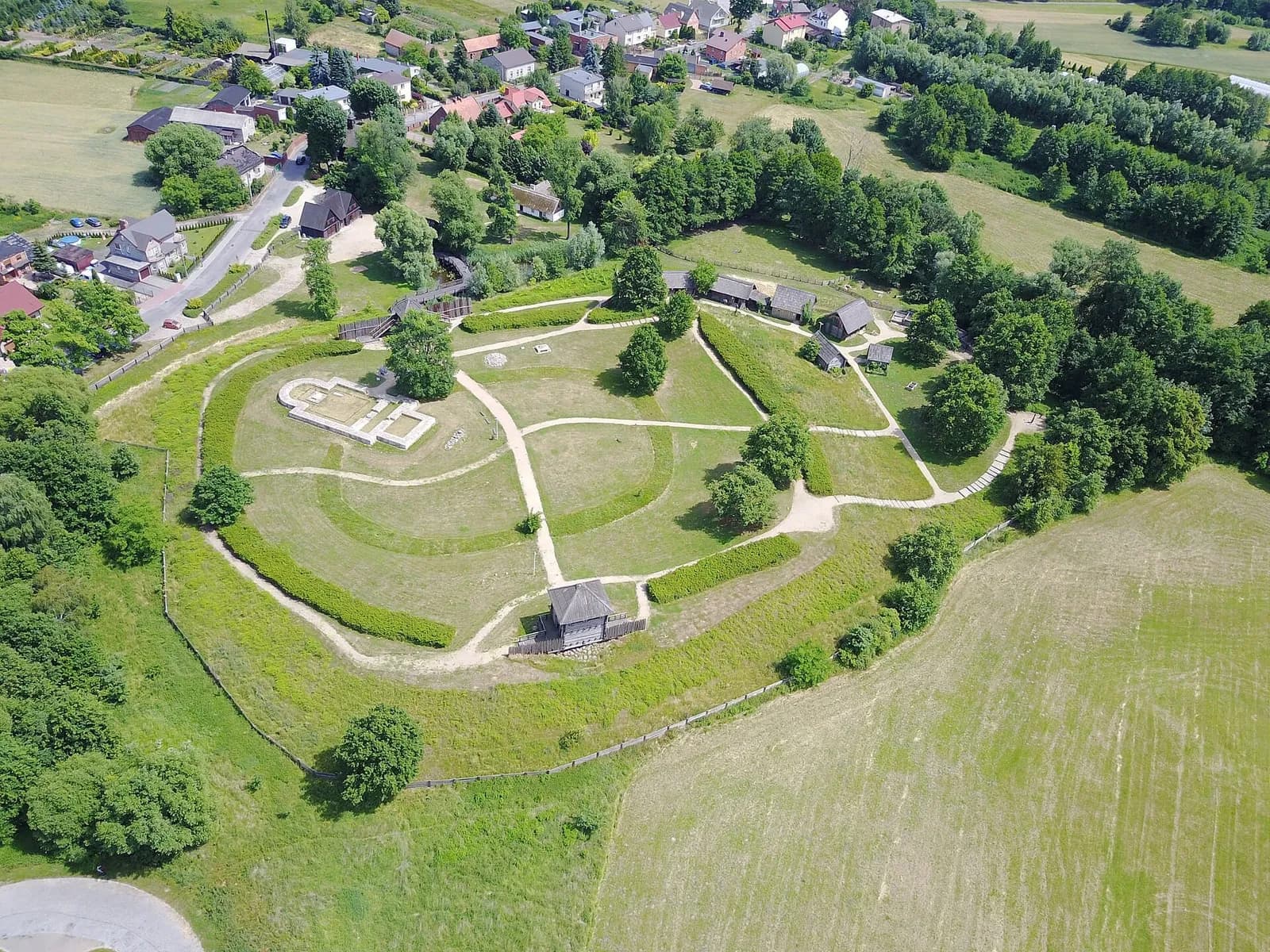
Walking through the reserve, visitors encounter:
- a reconstructed entrance gate and timber bridge
- defensive ramparts and wooden palisades
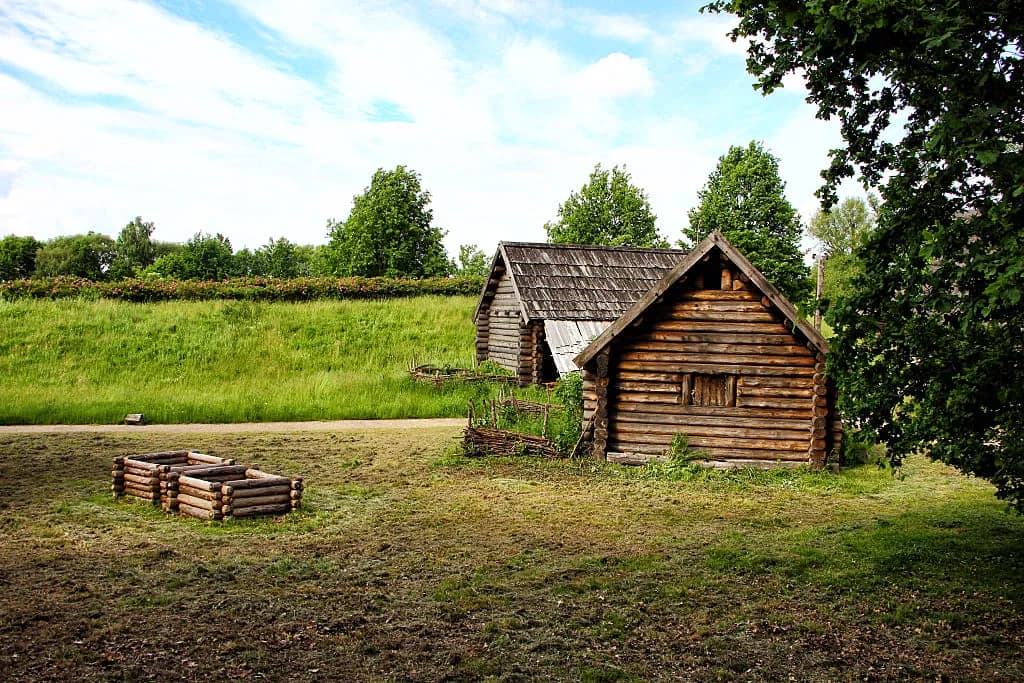
- traditional timber dwellings
- a watchtower overlooking the former stronghold
- the preserved foundations of the Romanesque collegiate church
- heritage livestock and traditional beekeeping that recreate aspects of everyday medieval life.
Unlike many historical attractions where reconstruction replaces the original landscape, here the archaeology remains at the heart of the experience. Every pathway has traces of homes, workshops, fortifications and places of worship dating back more than a millennium.
A Different Side Of Wielkopolska's History
For anyone living in or visiting Wielkopolska, comparisons with Poznań and Gniezno are inevitable.
Those cities rightly occupy a central place in Poland's national story, yet Kalisz provides a different perspective. Rather than focusing on royal ceremonies or cathedral treasures, Zawodzie reveals how an early medieval settlement functioned as a living community.
It is here that archaeology helps bridge the gap between written history and everyday life.
Visitors gain an insight into how people built their homes, defended their settlement, practised their crafts and worshipped within one of the earliest Piast centres. The result is a far more tangible understanding of the medieval world than many traditional museum exhibitions can offer.
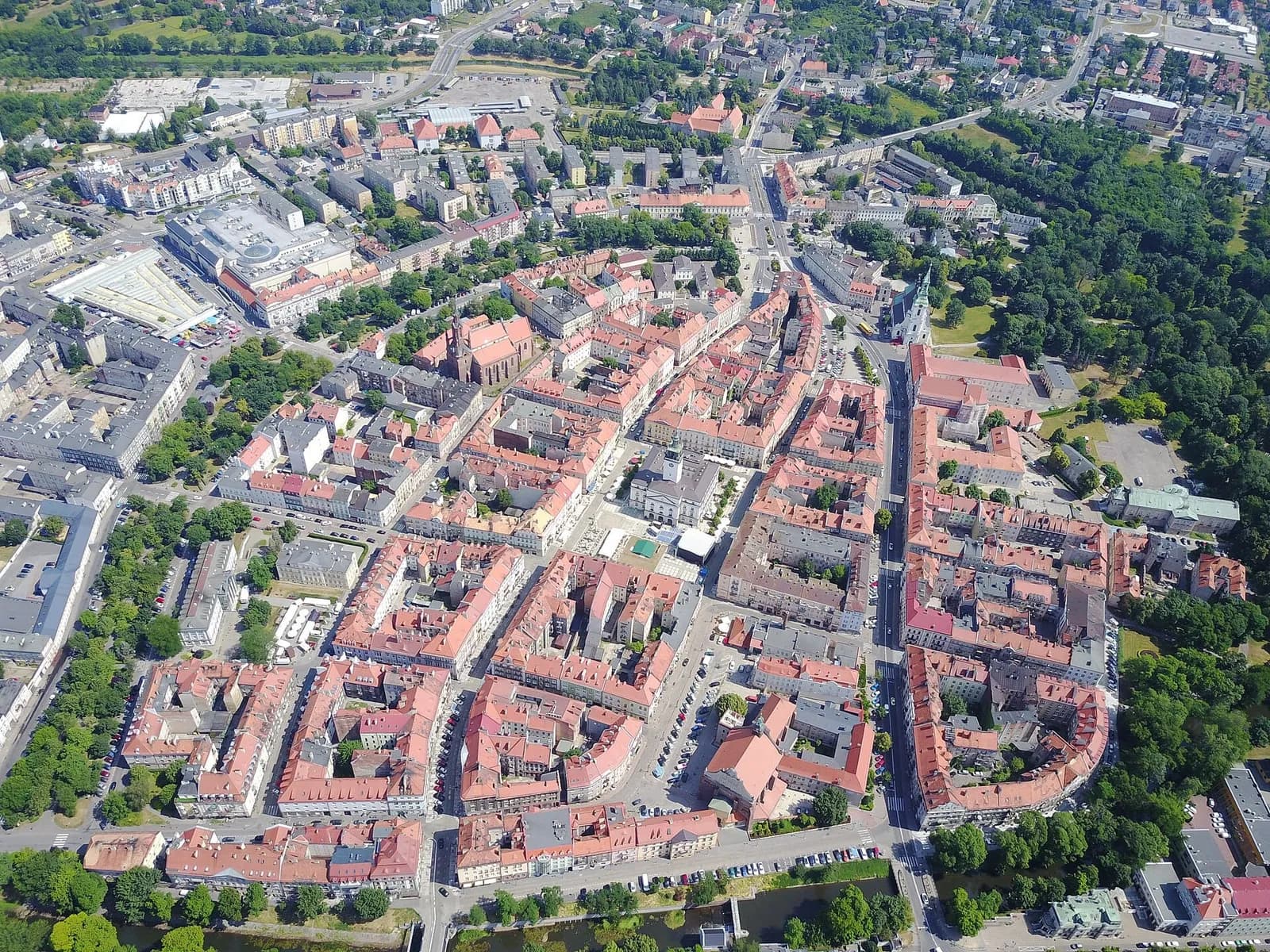
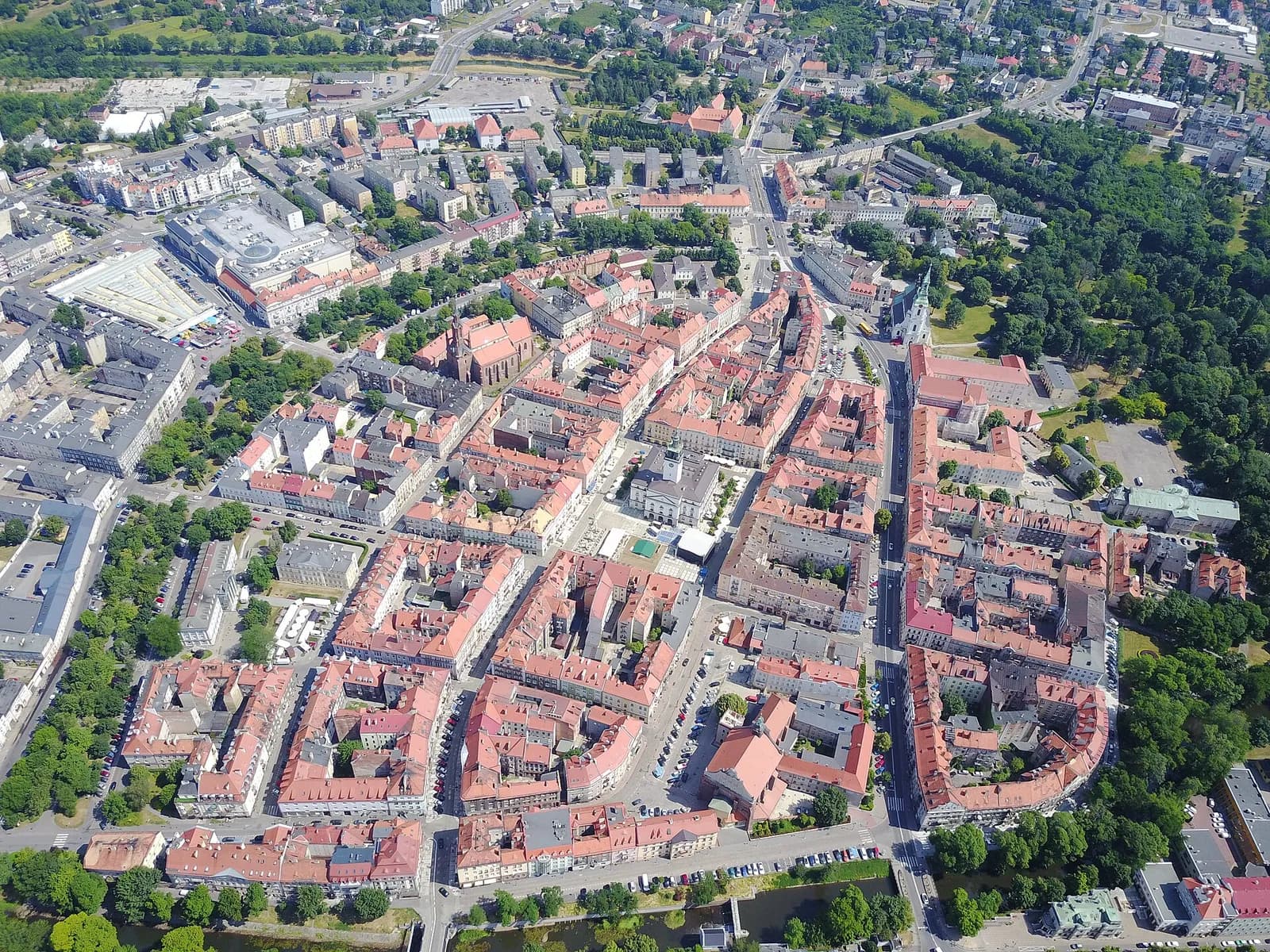
For residents of Kalisz, the reserve is also a reminder that their city's heritage reaches far beyond its elegant nineteenth-century streets and historic market square. It tells a story that began centuries before the city's modern layout took shape.
The Debate That Continues Today
Kalisz has long fascinated historians.
The city is traditionally linked with Calisia, the settlement recorded by the Greek geographer Claudius Ptolemy in the second century AD. Whether modern Kalisz occupies precisely the same location remains the subject of scholarly discussion.
Similarly, historians continue to debate the precise role Kalisz played during the formation of the Polish state.
Some argue that it deserves recognition alongside Poznań and Gniezno as one of the earliest and most influential Piast centres. Others prefer a more cautious interpretation based on the available archaeological evidence.
What is beyond dispute, however, is the exceptional importance of the discoveries made at Zawodzie. They continue to shape our understanding of medieval Wielkopolska and the development of the first Polish rulers.
Bringing The Past To Life
History is not confined to information boards at Kalisz-Zawodzie.
Throughout the year, the reserve hosts archaeological fairs, medieval festivals, educational workshops and historical re-enactments that transform the quiet site into a bustling early medieval settlement once again.
Children can climb the wooden watchtower and explore the reconstructed defences, while adults discover traditional crafts, historical demonstrations and archaeological interpretation that appeals to all ages.
It is this combination of scholarship and accessibility that has made the reserve one of Kalisz's most distinctive cultural attractions.
One Of Kalisz's Best Kept Secrets
Despite its national significance, the Archaeological Reserve remains refreshingly uncrowded.
The peaceful riverside setting encourages visitors to slow down, wander between the reconstructed buildings and imagine the sounds of a thriving medieval settlement where birdsong now fills the air.
It offers a refreshing experience from the busy tourist routes of Poland's larger historic cities, and perhaps that is part of its charm.
For visitors planning a weekend in Kalisz, the reserve pairs perfectly with the city centre, offering a journey from medieval beginnings to one of Poland's oldest continuously inhabited urban communities within the space of a single day.
image credit: Fallaner, CC BY-SA 4.0 / Anwar2, CC BY-SA 4.0 /